Innovative Healthcare Today, Training the Physicians of Tomorrow
Our program has developed resources that allow residents to get help with all the traditional barriers to resident research: lack of time, access to clinical data, and research guidance. Our leadership team, including the chair of medicine, the residency program director, and the associate dean of clinical and population health research serve as mentors to residents in all aspects of their research. This includes a monthly research drop-in session during which time residents can discuss challenges with their research and ask questions.
Our medical students are eager to be involved in resident research and provide support for your research idea. This can be valuable for residents who are busy or on difficult rotations.
The director of scholarly activities in undergraduate medical education can assist in finding medical students to join your study; but he can also provide assistance in the technical aspects of your study as well. Also, medical students often seek residents to join their studies and to serve in the role of primary investigators.
UCR also participates in the robust TriNetX database, which is a valuable source for millions of data points relating to both inpatient and outpatient medicine. With built-in statistical support, it can be used to quickly conduct retrospective studies.
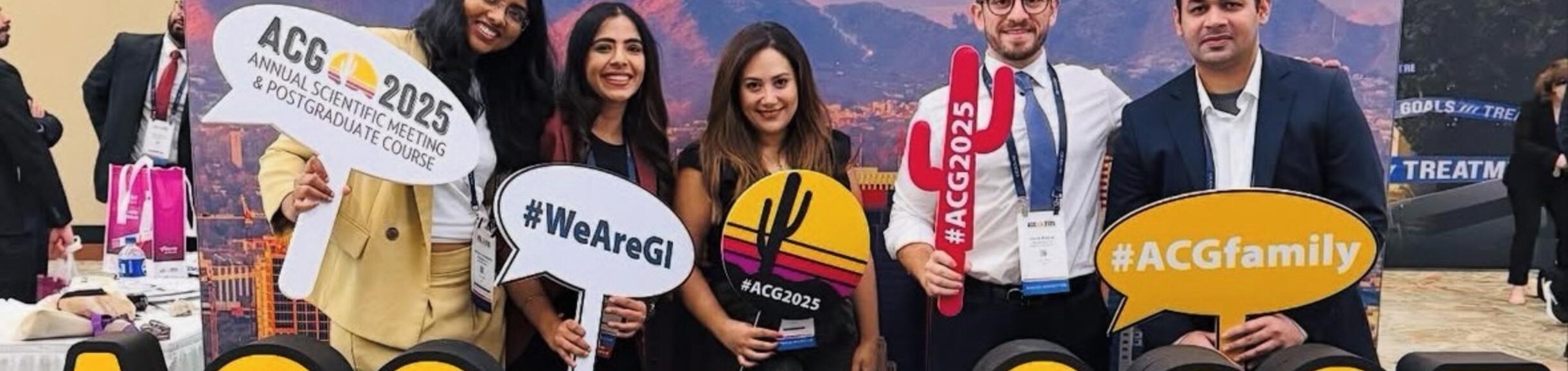
Preliminary interns and second- and third-year categorical residents can take research electives during which they can make significant progress on their scholarly projects. Residents can also use their annual $1,000 educational stipend to support their research; they can also use any or all of their five education days annually to present at conferences. Our residents have participated in and presented at American College of Physicians (ACP) regional and national conferences, American College of Cardiology (ACC), American Heart Association (AHA), GI Week, and Chest to name a few.
We are passionate about quality improvement because it focuses on tangible problems that can be seen and observed; often, these problems have direct impact on patient care. The solutions for these problems are often accessible, practical, and satisfying in that they enhance patient experience and health outcomes. For this reason, residents practicing at the UCR Health Downtown Riverside Clinic contribute data from their ambulatory patient encounters to several ongoing projects that pertain to disease management in populations, clinic operations, and the efficient use of resources.
When enough data is gathered, these projects become opportunities for one resident—or a team of them—to spearhead a QI effort and to add a scholarly item to their resume. Examples of current projects are:
- Developing a process for following up important results and expediting important workups.
- Developing a protocol to identify complicated patients pre-visit so they can be scheduled for a longer visit to adequately address their medical issues.
- Ensuring the use of telehealth appointments for indications that can properly assessed with these appointment types.
- Ensuring the necessary diagnostic testing is done prior to appointments scheduled for the purpose of reviewing and acting on these tests
Our quality improvement program has recently expanded to the Transitions of Care Clinic at St. Bernardine Medical Center, where residents study the causes of readmission and identify opportunities to optimize discharge processes to prevent the care fallouts that are observed in this clinic; these findings are presented in a monthly report to SBMC administration.